
"non-Blue Mountain"
300 article(s) found

Jamaican Blue Mountain Coffee Variety tastes and tastes Super Hawaiian Cona Coffee beans
It is necessary to take a closer look at the myth of Blue Mountain Coffee, because the image of the past is often inconsistent with the reality of today. In 1725, Sir Sir Nicholas Lawes brought the first Blue Mountain Coffee species from Martinique to Jamaica and planted them in the St.Andrew area. Today's St. Andrew's producing area is still blue.

The flavor of Jamaican coffee introduces which brand of Jamaican Blue Mountain coffee is better.
But by 1948, the quality of coffee had declined and Canadian buyers refused to renew their contracts, so the Jamaican government set up a coffee industry committee to save the fate of top coffee, and by 1969, the situation had improved. because the use of Japanese loans to improve the quality of production, thus ensuring the market

The basic introduction of Jamaica Blue Mountain Coffee
Is Jamaican Blue Mountain Coffee the best coffee in the world? Almost everyone who has heard of Jamaica Blue Mountain Coffee knows that it is the most expensive coffee in the world, but not everyone knows why. Like Rolls-Royce cars and Stradivari violins (Stradivarius Violin), when something acquires the world
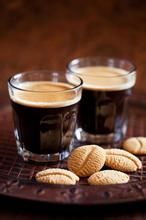
Introduction to Jamaican Coffee Flavor and Taste Jamaican Blue Mountain Coffee
By 1969, the situation had improved because the use of Japanese loans improved the quality of production, thus ensuring the market

Superior Coffee Jamaican Coffee Manor Flavor and Taste brief introduction of Jamaican Coffee Brand
The best Blue Mountain Coffee is undoubtedly one of the best coffees available. By 1969, the situation had improved because the use of Japanese loans improved the quality of production, thus ensuring the market.
Coffee flavors from different coffee producing areas around the world coffee producing areas in Jamaica
Almost everyone in Jamaica knows that Blue Mountain Coffee is the most expensive coffee in the world. In 1725, Sir SirNicholasLawes brought the first Blue Mountain Coffee species from Martinique to Jamaica and planted them in the St.Andrew area. Coffee production in Jamaica: today's St. Andrews producing area is still blue.

Jamaica Blue Mountain Coffee Flavor Introduction Jamaica Fine Coffee Bean Jamaica Blue Mountain Coffee
By 1981, about 1500 hectares of land in Jamaica had been cleared for coffee, followed by investment in another 6000 hectares. In fact, today's Blue Mountain region is a small area of only 6000 hectares, and it is impossible that all the coffee labeled Blue Mountain is grown there. Another 12000 hectares are devoted to growing the other two types of coffee.

Introduction of Coffee Flavor description treatment in Atlanta Manor, Jamaica
It is necessary to take a closer look at the myth of Blue Mountain Coffee, because the image of the past is often inconsistent with the reality of today. In 1725, Sir Sir Nicholas Lawes brought the first Blue Mountain Coffee species from Martinique to Jamaica and planted them in the St.Andrew area. Today, the producing area of St. Andrew is still the Blue Mountains.

A Cultural introduction to the characteristics of Jamaican Blue Mountain Coffee
The best Blue Mountain Coffee is undoubtedly one of the best coffees available. Although the price can guarantee the supply of Blue Mountain coffee, it does not guarantee the best flavor of the coffee. It is also worth noting that the coffee is more expensive to drink than it looks. If you want to taste its best flavor, you must put more coffee beans than when drinking other coffee, otherwise the flavor will be named.

Introduction of Jamaican Coffee Manor Yinshan Manor Jamaican Coffee Flavor
By 1981, about 1500 hectares of land in Jamaica had been reclaimed for coffee cultivation, followed by investment in another 6000 hectares of coffee land. In fact, today's Blue Mountain area is a small area with a planting area of only 6000 hectares, and it is impossible to grow all the coffee marked Blue Mountain there. Another 12000 hectares of land is used to grow the other two types of coffee.

Jamaica Atlanta Manor Coffee Flavor Description Introduction to Grinding Scale Processing
But by 1948, coffee quality had declined and Canadian buyers refused to renew the contract, so the Jamaica government set up the Coffee Industry Council to save the fate of premium coffee. By 1969, the situation had improved, as Japanese loans had improved the quality of production, thus ensuring market access.

The origin of Jamaican coffee the elegant demeanor of Jamaican coffee the characteristics of Jamaican coffee
Almost everyone in Jamaica knows that Blue Mountain Coffee is the most expensive coffee in the world. In 1725, Sir SirNicholasLawes brought the first Blue Mountain Coffee species from Martinique to Jamaica and planted them in the St.Andrew area. Coffee producing area of Jamaica: today's St. Andrews is still Blue Mountain Coffee.

Introduction to the quality characteristics of Coffee Grinding scale in Cliff Manor, Jamaica
By 1981, about 1500 hectares of land in Jamaica had been reclaimed for coffee cultivation, followed by investment in another 6000 hectares of coffee land. In fact, today's Blue Mountain area is a small area with a planting area of only 6000 hectares, and not all coffee marked with the words Blue Mountain can be grown there. Another 12000 hectares of land is used to grow the other two types of coffee (

A Brief Introduction to Grindness Roast Treatment of Superior Coffee Jamaica Fine Coffee Estate
Blue Mountain coffee is also grown on small estates such as Wallenford Estate, Silver Hill Estate and J. Martinez's Atlanta Estate. Even the largest planters in the region are small-scale by international standards, many of them smallholders.

Planting Environment of Cliff Coffee Manor in Jamaica Blue Mountain Coffee
In 1725, Sir SirNicholasLawes brought the first Blue Mountain Coffee species from Martinique to Jamaica and planted them in the St.Andrew area. Today, St. Andrew is still one of the three major producing areas of Blue Mountain Coffee, while the other two are Portland and St..Thomas.

Taste of Jamaican Coffee introduction to Silver Mountain Manor Jamaica Blue Mountain Coffee
By 1981, about 1500 hectares of land in Jamaica had been reclaimed for coffee cultivation, followed by investment in another 6000 hectares of coffee land. In fact, today's Blue Mountain area is a small area with a planting area of only 6000 hectares, and it is impossible to grow all the coffee marked Blue Mountain there. Another 12000 hectares of land is used to grow the other two types of coffee.

Jamaica Blue Mountain Coffee Manor Silver Mountain Manor introduction to Jamaica Coffee producing area
By 1981, about 1500 hectares of land in Jamaica had been reclaimed for coffee cultivation, followed by investment in another 6000 hectares of coffee land. In fact, today's Blue Mountain area is a small area with a planting area of only 6000 hectares, and it is impossible to grow all the coffee marked Blue Mountain there. Another 12000 hectares of land is used to grow the other two types of coffee.

Introduction to St. Thomas of Silver Mountain Manor in Jamaica Coffee Manor
Some small estates also grow Blue Mountain Coffee, such as Wallenford Manor, Silver Mountain Manor and Martinez's Atlanta Manor, which are also small-scale plantations, many of which are small landowners whose families have been working on this land for two centuries. The coffee industry in Jamaica is facing a series of problems, such as the influence of the whirlwind, the increase of labor costs and the increase of holidays.
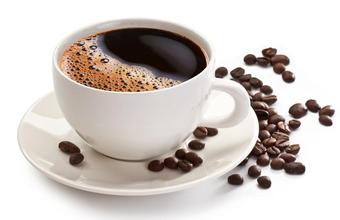
Jamaica Coffee Manor introduction to Atlanta Manor
In 1725, Nikolai? Sir Sir Nicholas Lawes brought the first blue mountain coffee trees from Martinique to Jamaica and planted them in the St. Andrew area. In eight years, Jamaica exported more than 375 tons of pure coffee. In 1932, the Jamaica Conference Law was passed to encourage coffee farming to reduce the island's dependence on sugar exports.

Introduction to the regional treatment method for describing the flavor of coffee beans in Atlanta Manor, Jamaica
The quality of coffee has declined and Canadian buyers have refused to renew their contracts, so the Jamaican government has set up a coffee industry committee to save the fate of top coffee. By 1969, the situation had improved because the use of Japanese loans improved the quality of production, thus ensuring the market